Transparency as the New Currency
The industry is at a turning point: Products should not only be high-performing, but also sustainable, transparent, and traceable.
With the Digital Product Passport (DPP), the European Union is creating the foundation for this. The aim is to digitally map the entire lifecycle of a product – from raw material extraction to manufacturing and recycling.
But the new regulation is more than just another data project. The DPP is a strategic tool that helps companies connect knowledge, processes, and sustainability.
What is Behind the Digital Product Passport?
The DPP is—put simply—a digital data record containing all relevant information about a product.
This includes:
- Material composition and raw material origins
- Production processes and energy consumption
- Transport and supply chain information
- Maintenance, recycling, and disposal data
This information comes from all phases of the product lifecycle and are added along the value chain. The result is a continuous digital representation of each product—a “digital twin for sustainability.”
The DPP becomes mandatory under the EU Ecodesign for Sustainable Products Regulation (ESPR) and initially applies to selected product groups such as batteries, textiles, and electronic devices. In the medium term, it will become relevant for nearly all industrial goods—including sectors like steel and aluminum or mechanical engineering.
How Does It Work?
The Digital Product Passport is not a single PDF or form but a connected data system that combines information from different sources.
Two main technical approaches are currently dominant in Europe:
- AAS (Asset Administration Shell) – developed as part of Industry 4.0.
It structures product data in a standardized way and is particularly well-suited for machine, production, and process data. - CIRPASS / Linked Data – a semantic web technology approach .
It enables flexible, decentralized data linking across company boundaries. (Resource Description Framework)
Both paths ultimately lead to the same goal: transparent, interoperable product information along the entire value chain.
What Does This Mean for Manufacturers?
For manufacturers, suppliers, and processors, the DPP primarily means one thing: data integration.
All systems – from ERP and MES to energy management and logistics – must be able to provide structured, machine-readable information.
The Challenge
Many data points already exist within companies, but they are often neither connected nor standardized.
The DPP requires these information silos to be linked:
- Production data from machines and equipment
- Energy and emissions data from operations
- Transport and delivery information from logistics
- And in the future: feedback from product use or recycling
This is a major challenge, especially for small and medium-sized enterprises (SMEs) – but also an enormous opportunity to improve transparency, efficiency, and sustainability at the same time.
From Compliance Tool to Innovation Driver
Those who see the DPP merely as a bureaucratic burden are missing its potential.
Implemented correctly, it becomes a driver for innovation and digital transformation:
- Making sustainability visible: Companies can precisely document their environmental footprint.
- Understanding and optimizing processes: Production and operational data become usable end-to-end.
- New business models: Transparent lifecycle data enables take-back, remanufacturing, and service-based models.
- Building trust: Customers, authorities, and partners receive reliable, verifiable product information.
The Digital Product Passport in Our Research Project GENIUS
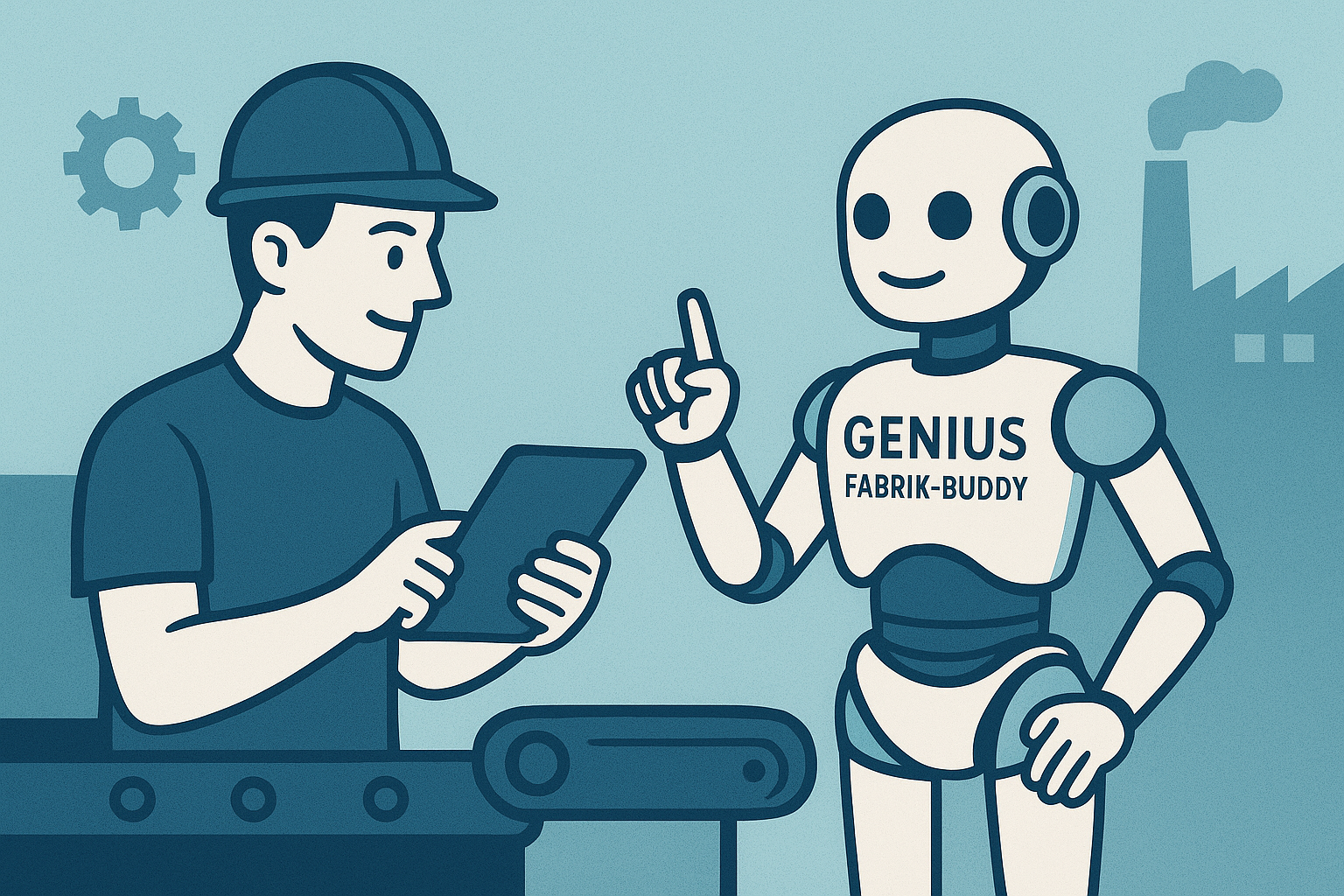
In the GENIUS research project, the DPP is seen not only as a regulatory obligation but as a strategic link between knowledge, data, and sustainability.
Starting Point
Knowledge is one of a company’s most valuable resources. Yet SMEs in particular face the challenge of securing and making this knowledge accessible in the long term – especially in times of skilled labor shortages and market pressure.
At the same time, requirements are increasing: flexible production, volatile energy prices, and legal obligations such as the DPP.
GENIUS addresses these challenges together: the DPP serves as a data foundation for sustainability, while AI-based systems preserve, connect, and make knowledge accessible.
Goal
The goal is a “Factory Buddy” – a digital assistant that intelligently connects planning, production, and sustainability. It knows the factory’s data, understands their relationships, and helps make better decisions – whether in energy efficiency, quotation generation, or factory planning.
Implementation
Technically, GENIUS will rely on a multi-agent LLM system with a knowledge base, ontology, and generative interface. This allows not only data but also experiences and expertise to be integrated into the digital cycle. The result is a data- and knowledge-driven ecosystem in which the DPP is a central component.
Transparency as a Competitive Advantage
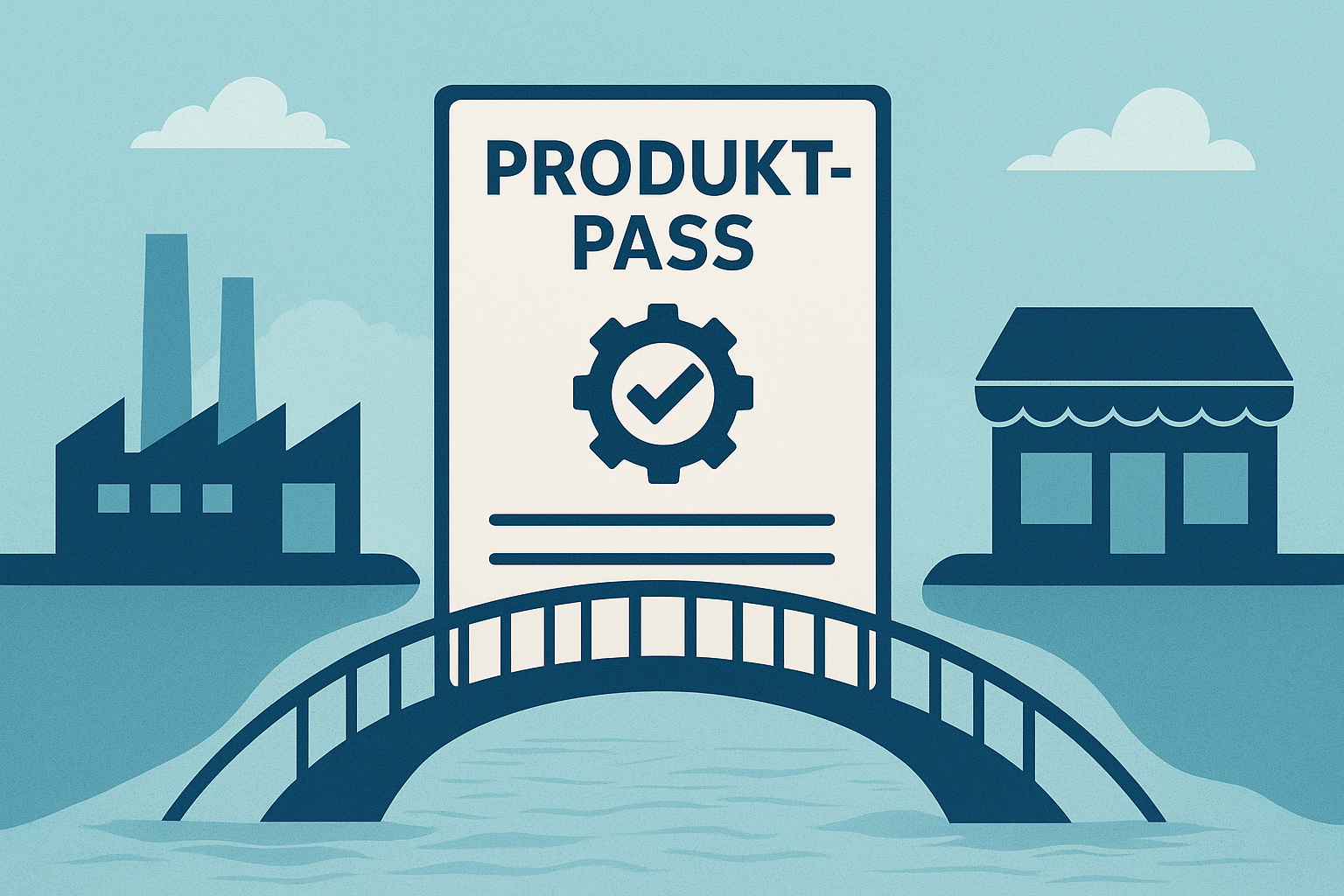
The Digital Product Passport is not an end in itself. It is the connecting element between sustainability, digitalization, and knowledge transfer—and thus a key to the future resilience of industry.
Companies that perceive the DPP not as a legal obligation but as an opportunity for integration and innovation will be the winners of the new era of transparency.